

How the studio behind 80 Days made one of the best games of 2022 in just 3 months | PC Gamer - gonzaleznathat
How the studio apartment tail 80 Days ready-made one of the best games of 2021 in reasonable 3 months

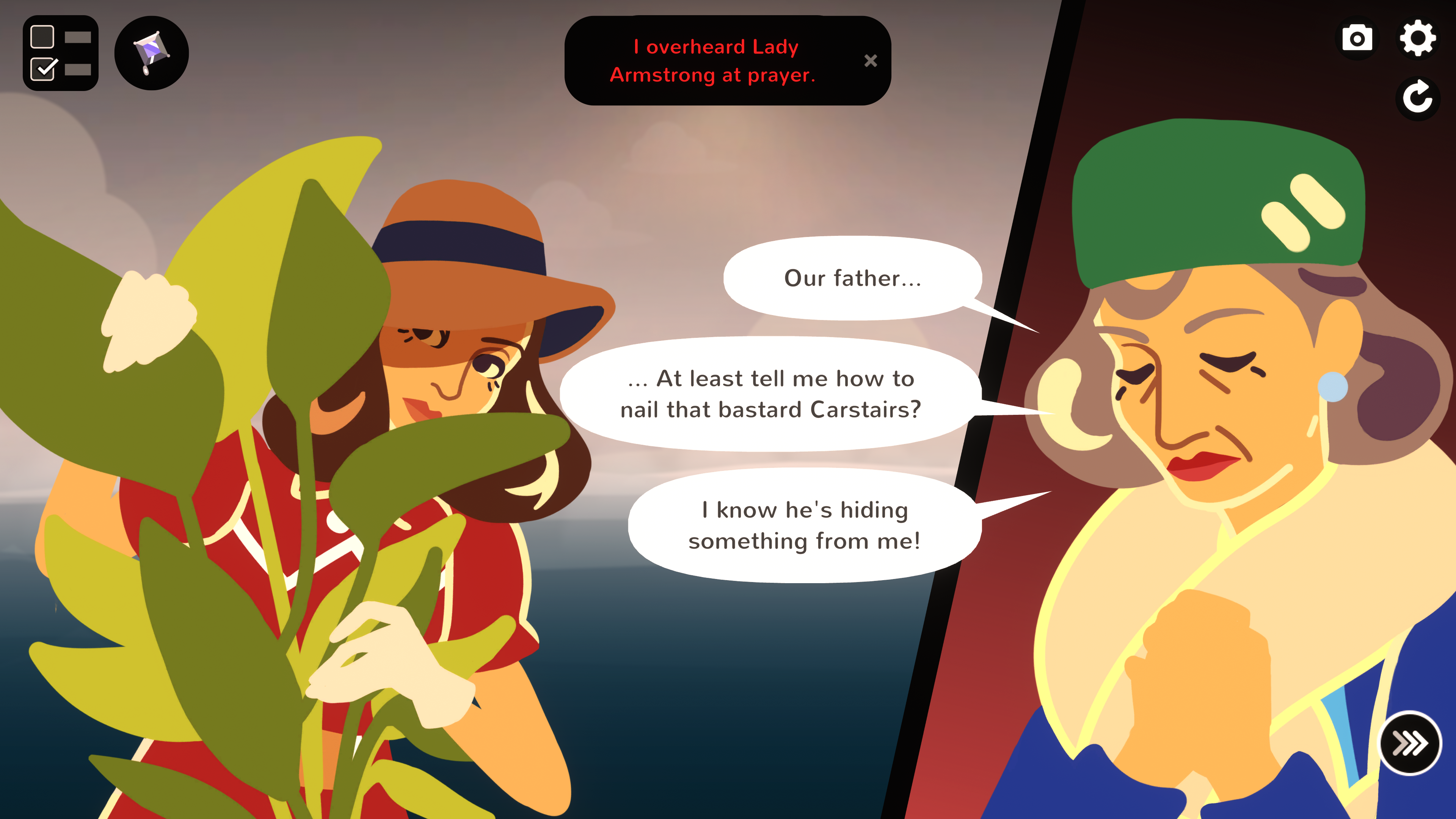
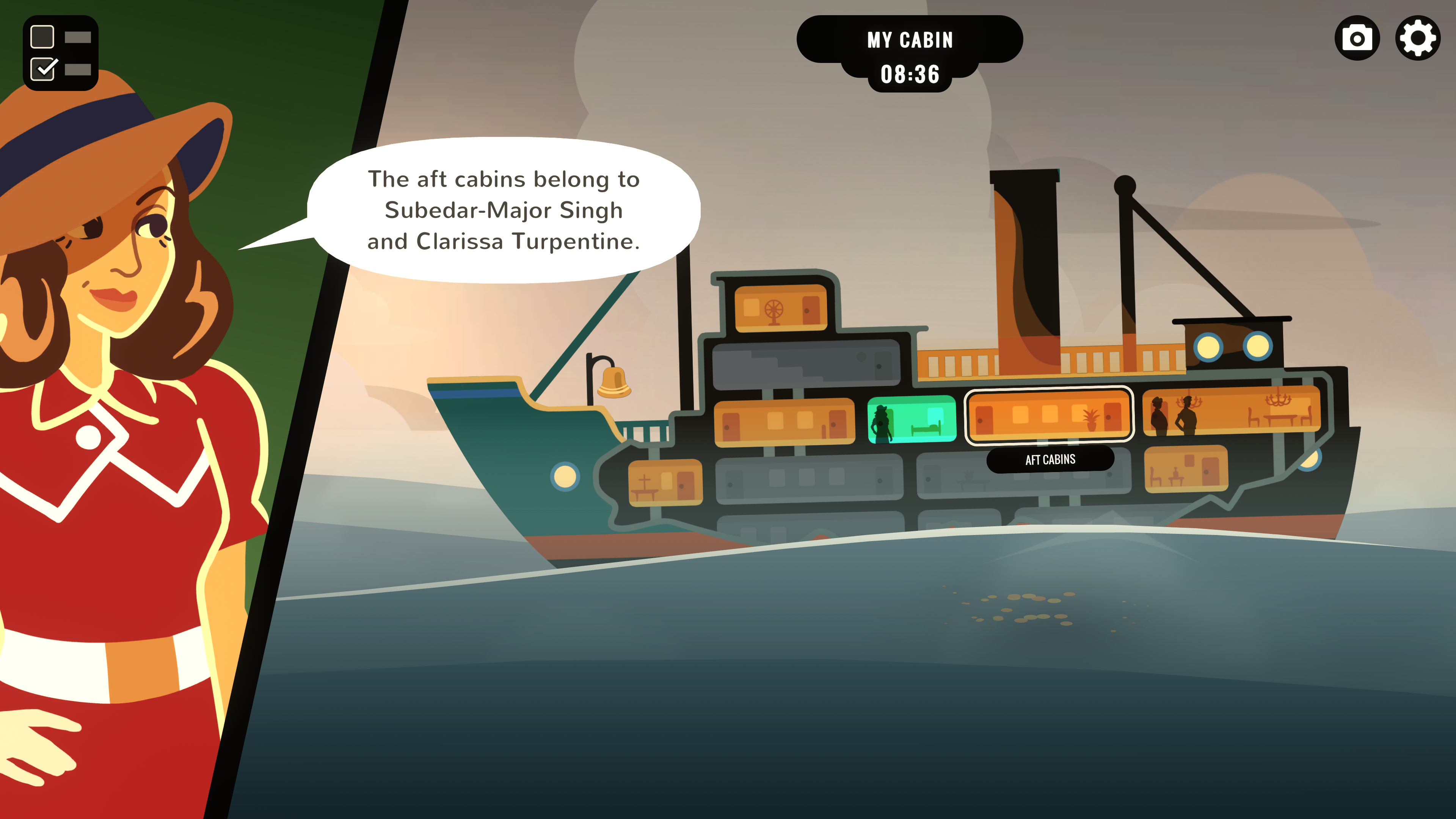
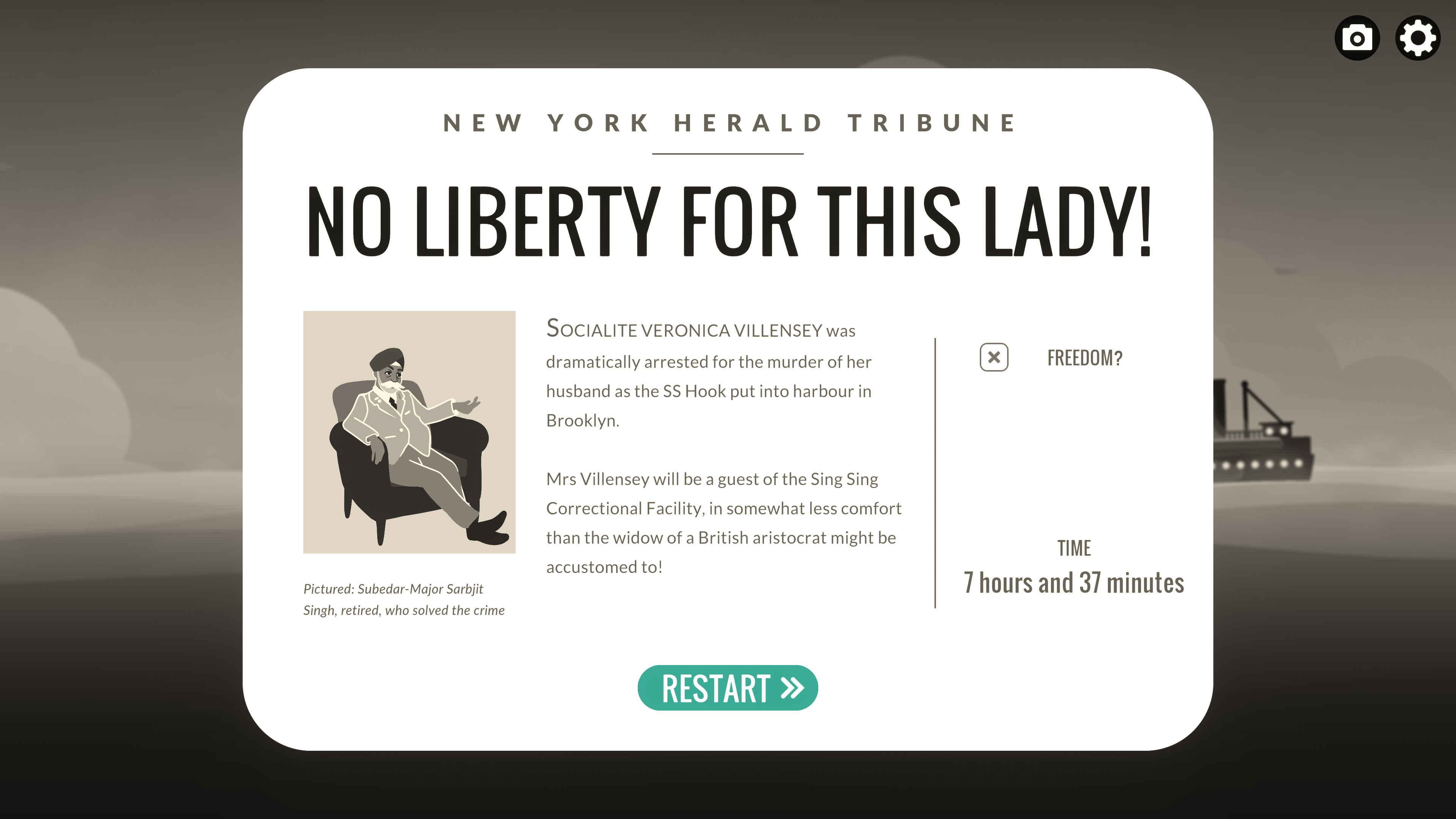
Overboard is a devilishly clever reverse murder closed book designed by Inkle, the studio behind 80 Days, Heaven's Vault, and other top-tier narrative games. In 1935, aboard a ship making its fashio from England to New York, Speedwell Villensey murders her economize—and IT's your business to help her get away with it by spinning a complex vane of lies. Information technology's one of the most unique narrative games I've played on PC, and one of our favourite games of the year so far.
It's a truncate, snappy story, just with numberless interesting, hilarious, and dramatic permutations. If you want to know more, I wrote some impressions shortly later on it was free. Remarkably, Inkle created the game in conscionable a few months and launched it with no body-build-up or teasers. I dog-tired some meter with Jon Ingold and Joseph Humfrey, co-founders of Inkle, to discourse the design and authorship of the project, you bet it feels to surprise launch a crippled.
PC Gamer: Where did the idea for Overboard come from?
Jon Ingold: It was around January, winter was miserable, the world had just gone into lockdown again. Joe and I both have three-year-old kids, and the schools had opened and then closed once again, and everyone was flavour like 'Oh, here we go once again.' Past someone asked USA, fitting idly, if we gave you enough money to make a unfit in a month, what would you cause? And we said 'goose egg' because that's a foolish question. But then later we thought, what could we make in a month?
I think it was Joe [Humfrey, Inkle co-founder] World Health Organization suggested it would make up good to set a plot where you had to lie, and so cover those lies up. And then the entire idea for Overboard just appeared overnight. I wrote the first lines of dialogue, where Speedwell pushes her husband overboard then wakes up with the steward knocking on her door. I posted around Ink [Inkle's in-house narrative scripting nomenclature] into a Slack claver we'd install for this random conversation of what we could make in a month. It sounded good, and we decided to run low ahead with the project, fair for fun.
"You stool get loads done in a month if you have a sort of unfit jam attitude of building things fast and not technology everything absolutely perfectly."
Chief Joseph Humfrey
PC Gamer: How did you approach development knowing your time was much more limited than usual?
Joseph Humfrey: Everyone knows it's possible to create some rather game experience in a weekend, because game james exist. If you recollect of it from that point of view, a month is forever. You tail get loads through in a calendar month if you birth a kinda game jam posture of edifice things fast and not engineering everything absolutely perfectly. It's all about acquiring the game up and running atomic number 3 quickly as feasible.
I know other developers who have taken this approach. If you can't make a functioning prototype in a week, the gimpy likely doesn't cause an high-toned, hooky enough mechanic that you can demonstrate immediately. IT's slimly different for a narrative game, but I think the same philosophy still applies, therein Jon did create this truancy narrative mechanic, and it was something we knew we could, and did, prepar.
Gobbler [Kail, senior developer] made a fully operative reading of the gamy in Unity, using Jon's Ink, within a few years. And the pleasant affair about that was that we could spend all the rest of our time on polish and art and just fashioning it a really fun, seamless experience.
Jon Ingold: We've done much of games recently where we've been exploring something surgery trying to envision something out. How do you do an ancient language in Heaven's Hurdle, how do you do procedurally generated battles in Pendragon? It's really hard. Constantly, improbably whispered, and you never know if it's going to work or not. So part of the idea of making Overboard was to create something that we could just enjoy. The full-page project, in a way, was qualification sure that everyone along the team was non doing anything apart from the gorge they really like doing.
We stole inscribe from old projects whenever we could, because that's easier than writing new inscribe. When we intentional mechanism, we nicked them from things we'd through with before. And when I was writing, I just wrote whatever the hell I felt like. If I wanted to drop in a stupid joke about Divinity, I would. For the first gear swig of the graphic design, Joe suggested we just repeat the art from 80 Days. Normally we work with a composer for the music, which is really enjoyable. But helium's having a baby right now, so we just now took it whol from populace domain archives.
Annie [Wyatt, illustrator] is rattling good at characters and costume design, so let's give her a cast of crazy characters to draw, because that's what she likes. And let's not pass on her lots of article of furniture to draw, because that's a bit boring for her. Everybody was running at top focal ratio on engorge they just love doing. You force out't quite pull out a game together like that. You feature to do a fleck of tedious ingurgitate. There's coding and debugging, and obviously the realistic purpose evolved from just being a clone of 80 Days.
PC Gamer: How long did the game postulate to develop in the end?
Joseph Humfrey: It ended upfield taking astir troika and a half times longer than we due to develop it. That's game development in a nutshell, really. You purpose to give a back in a yr and information technology takes threesome. We aimed to make a game in one month and it took three months.
Jon Ingold: We had a playable ending-to-end version subsequently about three weeks. Information technology didn't have all of the content and no art at all, but it was enough to put it in front of testers. So we recorded playtests, which we never normally act, and that knowing so much of the story and interface.
The extraordinary scra of design work we did was the fast forward mode. That arose from playtests. We needed to figure forbidden how to do that in a heavily divergent story. Only we had time. No one was burned out sooner or later, because building the rest of the pun had been really fun.
"It was enjoyable qualification something with such a small scope, because we could live really meticulous with the interactivity."
Jon Ingold
PC Gamer: How does writing a narrative like this, winning place over just a few hours, compare to writing a larger story?
Jon Ingold: I've been wanting to do something like Overboard for ages, where dead everything Veronica does is determined aside the player. At that place International Relations and Security Network't a single action she takes on autopilot, asunder from killing her married man at the very get-go. Everything other is up to you, and I don't think many games pot say that, certainly not in the narrative space. Choosing exactly which lies you'rhenium going to separate, and to whom, is a much more engrossing prime than rightful saving a guy or killing a make fun, in the classical Mass Outcome mode. So IT was enjoyable making something with such a small scope, because we could comprise really meticulous with the interactivity.
PC Gamer: Why did you decide to set the game in the 1930s?
Joseph Humfrey: When we were thinking nigh using stuff we already had, we thoughtful setting Overboard in the 80 Years universe. Jon pushed back quite hard connected that, because the steampunk elements wouldn't really make sense in that game. But we wanted to keep about of that feel. 80 Days is set in the 1800s, just we gave it an Deco style because we wanted to arrive feel like that menses's idea of futuristic. And we wanted to institute some of that Art Deco elan to Overboard. It likewise made sense for the story to lean into the uninjured Christie, Poirot thing too.
Jon Ingold: The '30s also proved to atomic number 4 a good period for the setting, because you have an interesting political position, and whatever fairly obvious villains, which is useful. The position of Britain in the 1930s is a country that's going quite an badly wrongly. The fascists are new, citizenry are protesting on the streets, there isn't enough food, there aren't sufficiency jobs. And there are a lot of parallels between that and advanced Britain. A process of social degradation conjugate with an upper class WHO thinks everything is fine, and they just pauperization more power and they'll gear up everything.
"I feel like everything I'm writing at the import is about fascism in approximately respects."
Jon Ingold
That's how the fascist political party rose in the '30s, and it did yet take defeated, only only by a sensory hair. And now we're not doing equally well. I feel like everything I'm composition at the moment is about fascism in a way. I wouldn't enjoin Overboard was a massively political game, but IT's not completely apolitical either. Also, [reaches slay-camera and grabs a weighty-sounding copy of The Mid-thirties: An Intimate History of Britain away Juliet Gardiner] I record much of this.
It really gave me a sense of why Veronica was fighting as petrous as she was, and what she was fighting for. She comes from a relatively broke background, she's close to acquiring into the gentry, but she's picked the deplorable guy, and she really doesn't privation to die down back there. That common sense of her knowing what GB is like for people WHO aren't in the pep pill classes. It's non powerfully resonated in the text, but it's there in her character about how it's fine for her to be murdering upper course populate, because she knows the genuine monetary value of what's departure on in the world, and they don't.
PC Gamer: The dialogue in Overboard has the zippy, organic feel of a real conversation. What's the secret to acquiring that right?
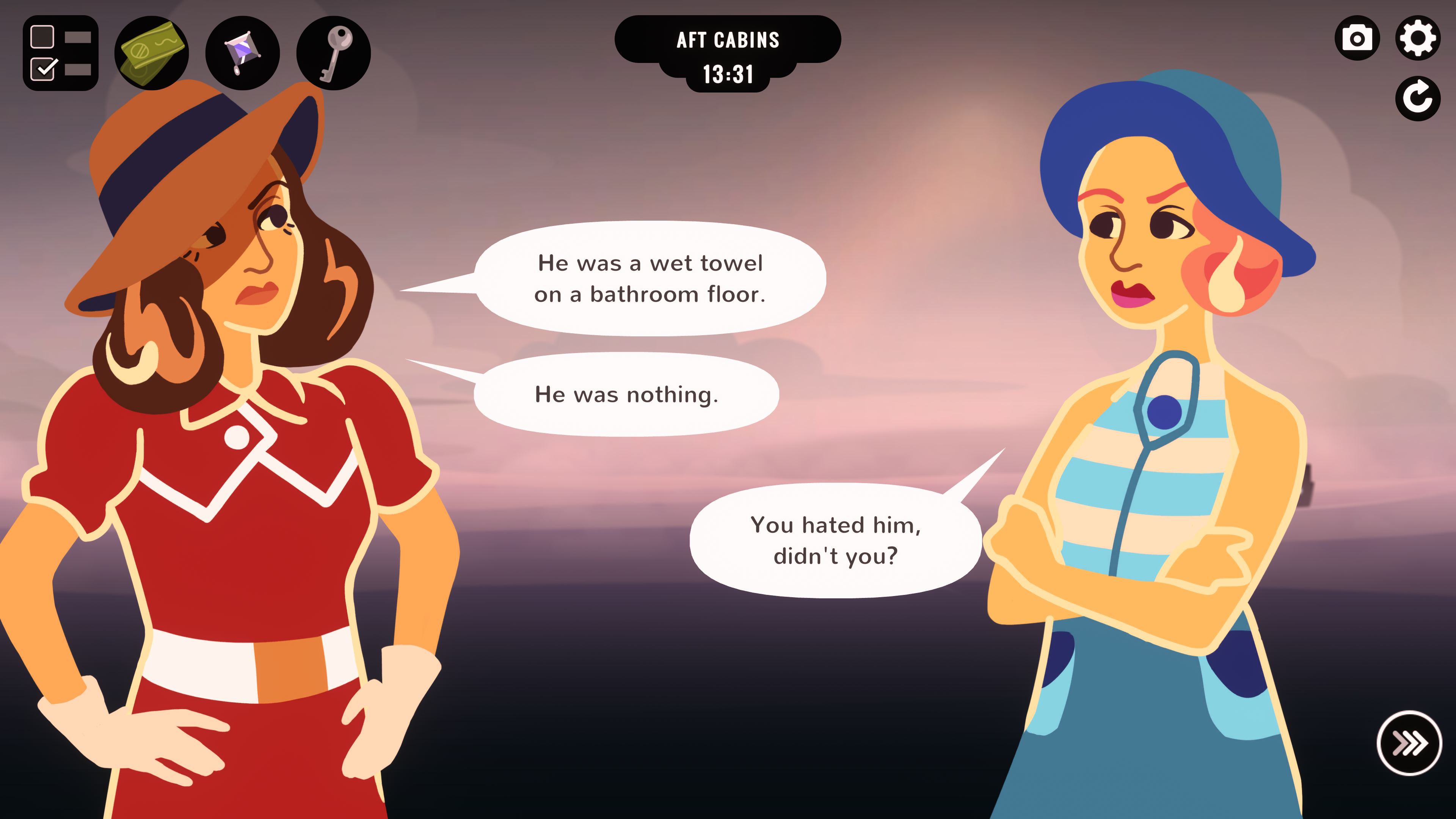
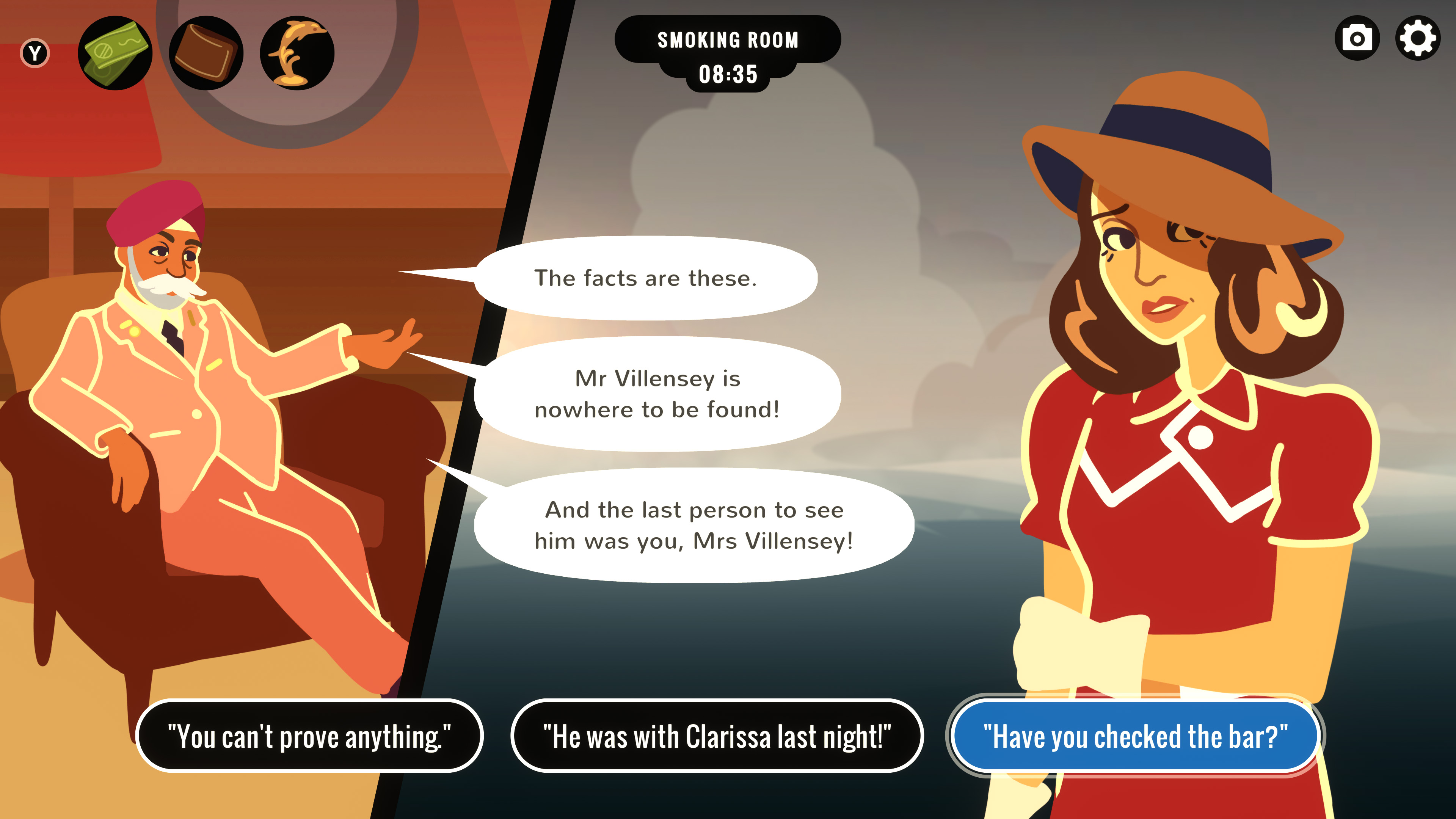
Jon Ingold: Conversations need to have pace, and when they act they are so fun. We love dialogue in stories, with banter and interplay. A lot of games fall into the trap of good beingness long expo monologues about something, grand statements, or just barks with no context. That's never very interesting. For Overboard, I was really inspired by radio plays and radio comedies. It's every last about the dialogue, and all time something is pithy Oregon clever and lands intimately, IT's just deeply attractive.
I did a talk a couple of years ago [embedded below] that's rather wide watched by narrative designers, just about writing sparkling talks. I had a scene from Sword Runner written as an interactive script, exhibit how information technology uses subtext, and how games often don't do subtext at all. I felt alike a bit of a fraud doing that speak for, because I definitely entertain this stuff, and there's a bit of it in Eden's Vault, simply IT always gets diluted by the halting mechanics. So it was nice to do a game that was just this unrivalled idea. Let's take a leak dialog that really works, every the time.
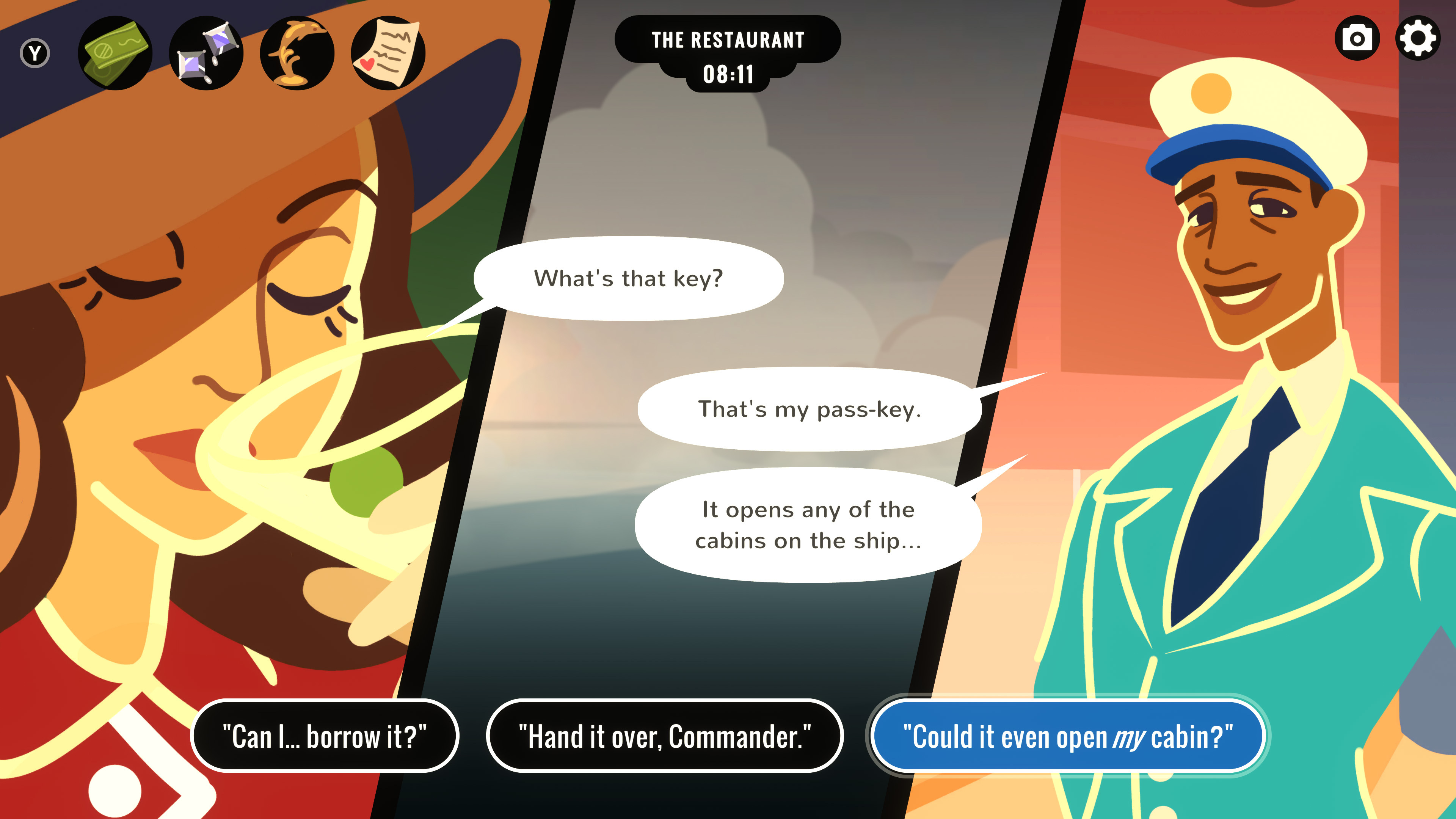
Joseph Humfrey: As we were creation Inkle, we had to determine what the core things we had best would be. And one of them was the concept within interactive fiction of what we call little-chunking—ripping leading the content between choices, so it's super fine food grain and you're present for all moment. And we emphatically ascertained early on that this feels really good in a dialog context. You're perpetually interacting.
We'ray also completely aware, and supportive actually, that players skim read. At that place's no getting around the fact that when you're in a text-based game, people will lonesome bear attention to maybe 50% of the language. They glean a lot of the import from the choices they're presented with. This is something we saw going back to Necromancy. Players would read like 20% of the content of the words, but really pay attention to the choices. Then if you decoct the number of words between the choices, the choices can really have an impact and communicate what's going on.
Jon Ingold: A lot of it is also writing to the fles of the user interface. Early along we had a prototype with the speech bubbles in berth, and they didn't look very nice, just we had the sense of the length and how many can be on screen at once, and and so you can write to that format. If a speech communication house of cards gets too long people will glaze finished information technology, so you bring i it nice and pithy. And if you want to get an idea, you don't get along off into a big speech—you add in approximately more choices and arrive a little side branch. You tooshie have long-wool, engaging arguments with characters on this boat near the about random things, but we put on't force the player to ut it.
PC Gamer: Did you want players to feel conflicted about playing as a somewhat unrepentant murderer?
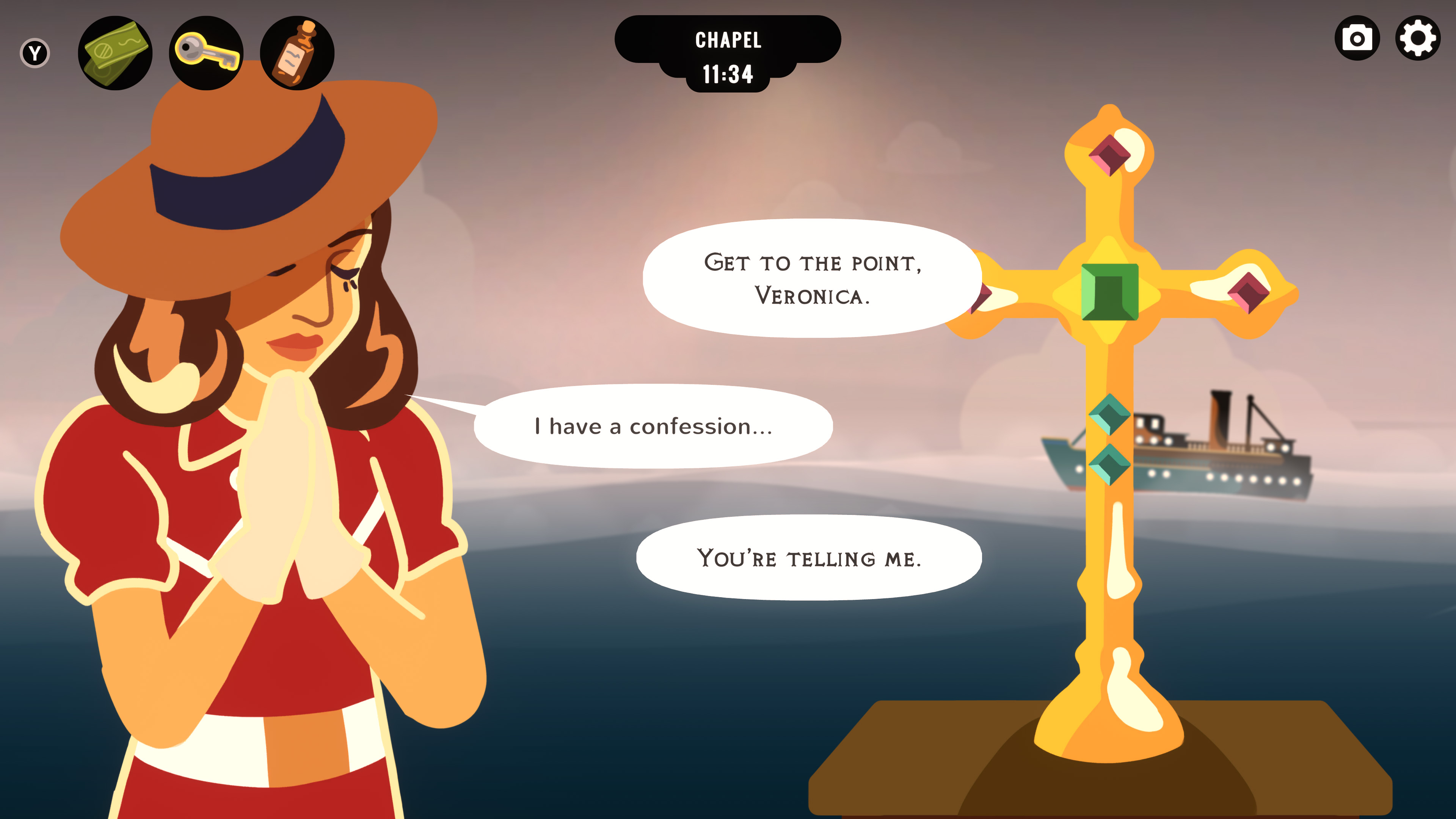
Jon Ingold: That one's really weird for me. About three weeks into writing the story, someone asked Pine Tree State how we were going to make players empathise with this woman. And I said 'I don't understand the question. She's the booster.' Only and then I thought, OH yeah, you're right. I hadn't truly thought of that, and I'm not sure why. I think information technology's that the character is just so much fun. She has so much verve and life, and the frame-up is so directly enticing that I didn't even stop and think about the morality of it very much. And I don't think many players do either.
The brave does a little bit of work to try out and complete some backstory close to how the husband mayhap wasn't a very good guy. And the final attractive run is ane in which Veronica does something altruistic, and that's courteous, because IT's a bit of a honorable arc for her. But mostly the morality wasn't a problem, because it's honorable such a delightful setting to make for with.
"The mettlesome does a little bit of work to taste and fill in some backstory about how the husband maybe wasn't a very good guy."
Jon Ingold
There aren't boundaries in the game where you expect them to be. In the 1st draft you couldn't murder anyone, except maybe uncomparable character, and Tom aforementioned: 'The game's called Overboard, I want to bear on everyone overboard!' I said, no, that's too hard. But he insisted, and in that respect was a week in the Slack canalize where I was like 'Alright, you can murder this mortal now.' And by the end I managed to get them all.
PC Gamer: Why did you decide to surprise launch the game without any of the usual pre-release build-up?
Jon Ingold: Before launch we thought, we've made this game we really like, and we're gonna plunge it happening Twitter, and everyone's just gonna brush off it. IT'll disappear and that'll be that. On the dawning of the plunge Joe asked how I was and I aforementioned 'This is a tragedy! We'rhenium idiots!' And then launch happens, and we got this enormous bubble of positivity from the press, places like GOG and Nintendo who based the release, other developers, and players. We didn't get to ask mass to wishlist it, operating theatre some of that. The whole Steam clean algorithmic ecosystem is very depressing.
Joseph Humfrey: Very few developers actively enjoy the recommended summons of announcing years ahead of time, producing animated gifs, doing social media, and all of that poppycock end-to-end development. IT's seen as an absolutely obligatory thing to get the wishlists. So information technology was nice not having to do whatever of that, and just direction on what we savor, which is making games and putting them out there for hoi polloi.
Jon Ingold: We could say 'Just leave and pip out. It's at that place. Don't put out wishlisting information technology.' And that's something you can't do with a extensive game, because it's too risky. But you can suffice it with a pocket-size game. We finished up connected the front page of Steam because we managed to get enough wishlists along day zero and the algorithm flipped and decided we weren't garbage.
It was merely beautiful to have people's support, and people playing information technology in real time, because it was authentically happening right now. It wasn't maybe going to happen in ternion weeks. I loved information technology... but I don't recognise if I lack to do it again. It was really fun, and it went great, and I enjoyed non shilling for it. But it was a lot of work before launch that power've just gone in the bin, and I get into't know if I could take that.

If IT's kick in space, Andy testament plausibly write about it. He loves sci-fi, risky venture games, taking screenshots, Twin Peaks, weird sims, Alien: Isolation, and anything with a good story.

Source: https://www.pcgamer.com/how-the-studio-behind-80-days-made-one-of-the-best-games-of-2021-in-just-3-months/
Posted by: gonzaleznathat.blogspot.com
0 Response to "How the studio behind 80 Days made one of the best games of 2022 in just 3 months | PC Gamer - gonzaleznathat"
Post a Comment